Brand & website
I redesigned the website and refreshed the resort’s branding and visual presentation. The goal was to make the experience of discovering OLT feel as considered as the experience of arriving there.
Oaklake Trails Resort / Brand & operational transformation
In just over two years, I created and implemented hundreds of changes across Oaklake Trails—from its website and cabins to its office, software, phones, and onboarding. A lean budget. A hands-on approach. A more considered experience, inside and out.
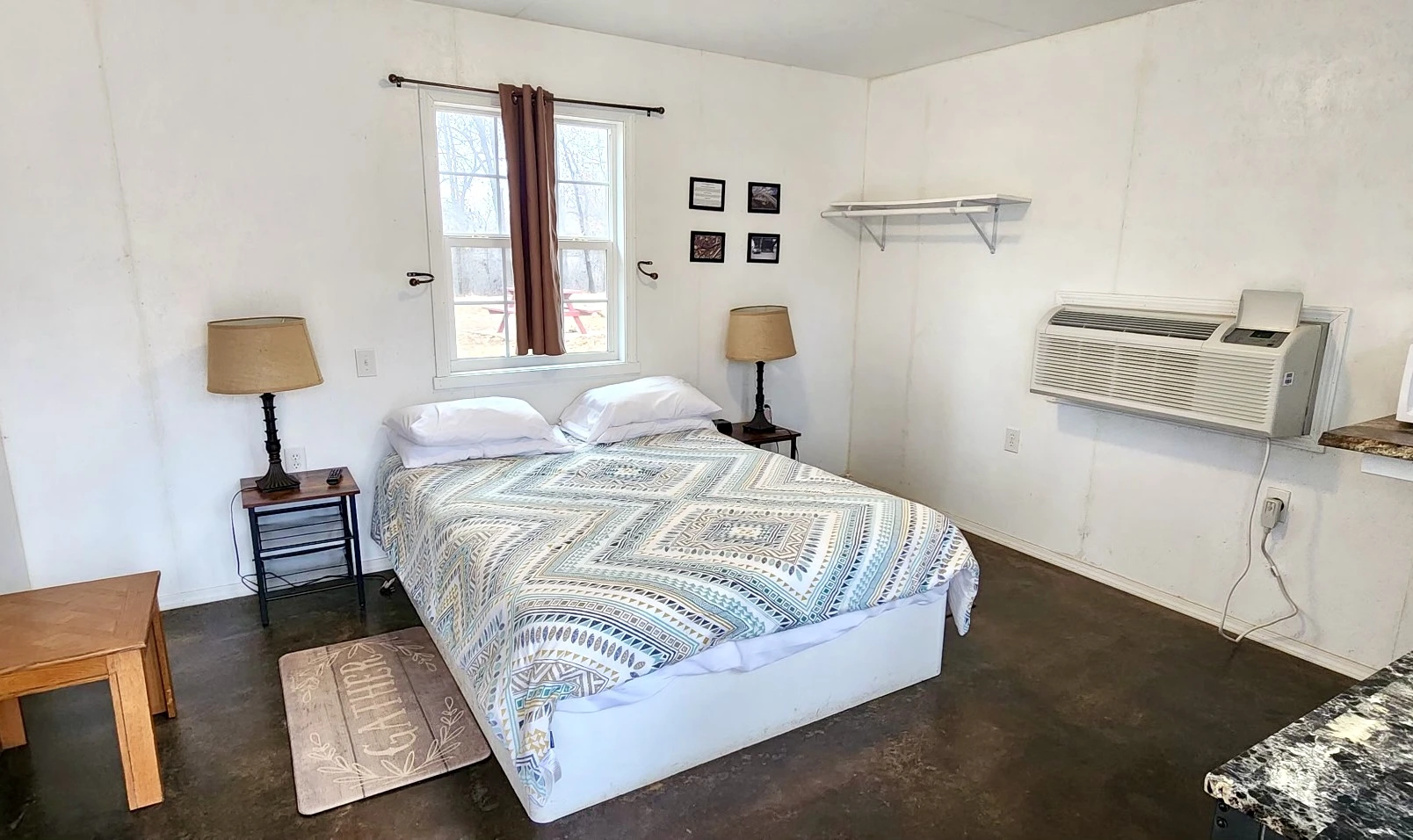
A functional room without a cohesive visual identity.
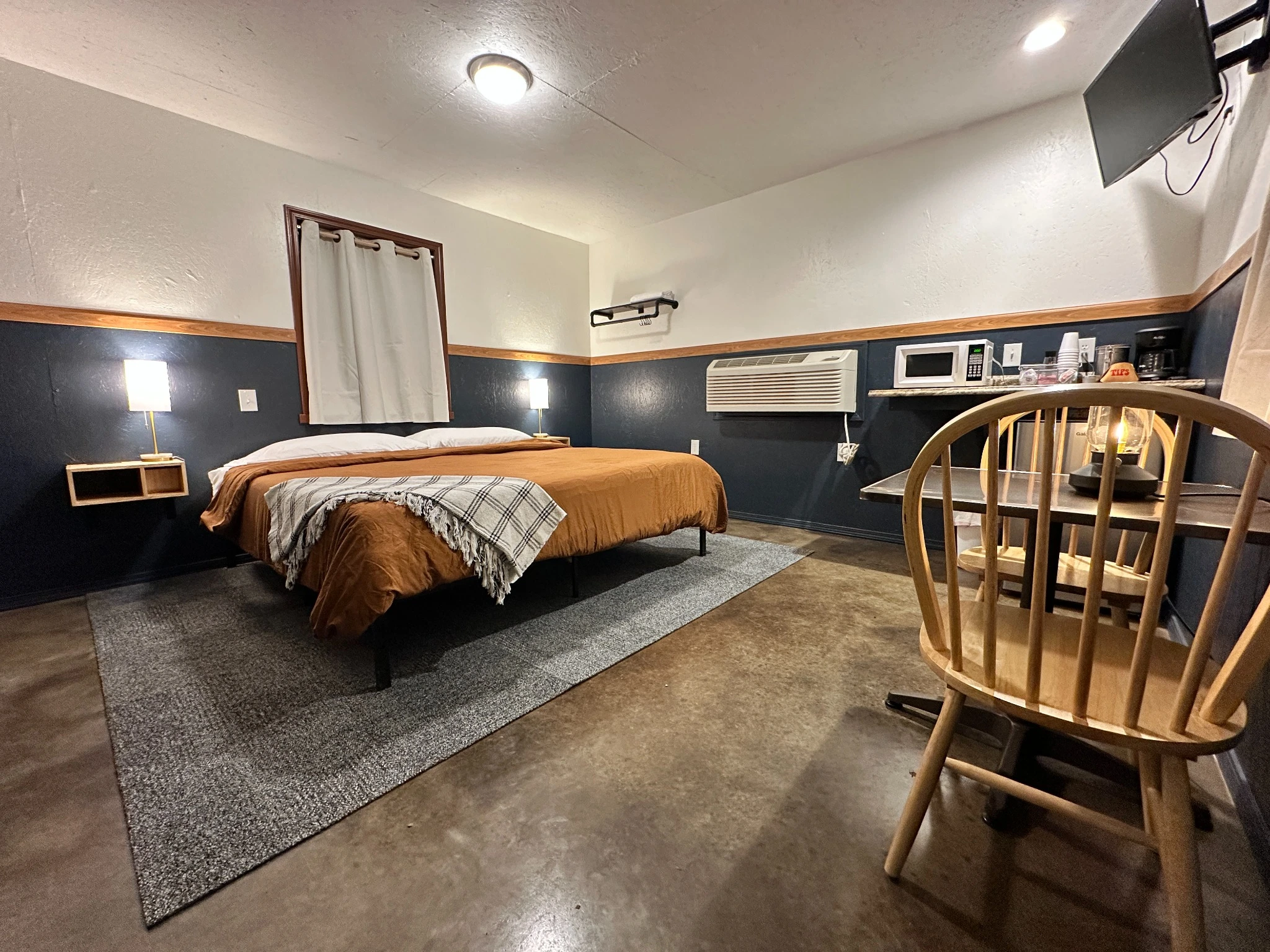
A warmer, more intentional guest experience through color, lighting, furnishings, and detail.
Actual before-and-after photographs supplied from my work at OLT. Different camera angles; photographs have not been retouched. Select either image to see the full photograph.
The starting point
When I joined OLT at the front desk, the resort had no operational software. Its physical spaces, brand presentation, office experience, and daily processes all offered opportunities for improvement.
Working the front desk gave me a direct view of the friction: what guests needed, what staff had to work around, and where a better system or a more thoughtful design could make a difference. As I progressed into the COO role, I could act on that understanding across the business.
The assignment became much broader than running the resort day to day. I was revitalizing how it looked, how it worked, and how it felt to be there.
I personally designed the cabin interiors and drove the website, branding, office, technology, and process changes. I moved between creative decisions and operational implementation: choosing a visual direction, learning a system, writing a procedure, training staff, and following through.
Alongside that work, I led daily operations across front desk, housekeeping, maintenance, food service, and events, coordinating staff, vendors, contractors, and board priorities. My design ownership was hands-on; delivering a working resort also required bringing other people along.
Hundreds of visible and operational changes across a little over two years. The cabin photos show one part of a resort-wide effort.
I redesigned the website and refreshed the resort’s branding and visual presentation. The goal was to make the experience of discovering OLT feel as considered as the experience of arriving there.
I personally designed the cabin interiors, bringing color, lighting, furnishings, and practical guest needs into a coherent direction. This was my own design work, carried through the resort’s cabin refresh.
I redesigned the office experience, connecting the physical setting with the way guests were welcomed and staff handled the work. The front desk became a central part of the transformation.
I took the resort from no operational software to a working digital foundation. I independently learned and implemented CampLife for reservations and member services, trained staff, and became the internal resource for questions and troubleshooting.
I introduced new phone systems and rebuilt communication workflows around incoming inquiries and follow-through. Getting an answer became part of the guest experience I was responsible for improving.
I created and revised onboarding procedures, operating instructions, and staff training. The changes had to become everyday habits: clear enough to learn, practical enough to use, and consistent across the people delivering the service.
Design within constraints
I worked with very limited spending, making thoughtful choices about where a change would be most visible or most useful. I brought the design and implementation effort myself, connecting many practical improvements into one larger transformation.
The cabin photographs make that approach tangible. The existing room becomes a different experience through a coordinated palette, warm wood details, bedding, lighting, bedside storage, and a rug that defines the space. Each choice contributes to a room that feels more welcoming and intentional.
I applied the same resourcefulness to operations: implement useful software, make the office easier to work in, improve how calls are handled, and give staff clear instructions. Attention to everyday details can change how an entire brand is experienced.
Learning CampLife and putting it in place was part of the job. I also trained staff, answered questions, troubleshot issues, and adjusted workflows to fit the actual work of the front desk and member services.
Onboarding and SOPs gave the changes continuity. Clear instructions and hands-on support helped the team carry the new experience into daily service, even as the resort kept operating around us.
Membership growth reflects the resort’s performance during my tenure, rather than a measured result of any one design change.
I can see the potential in a tired business, work within its constraints, and turn that potential into changes people can see and use—from the brand and physical space to the systems behind the service.